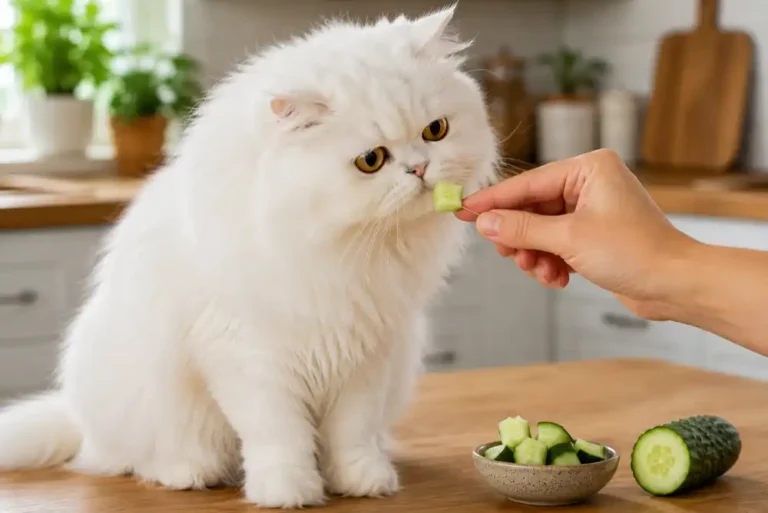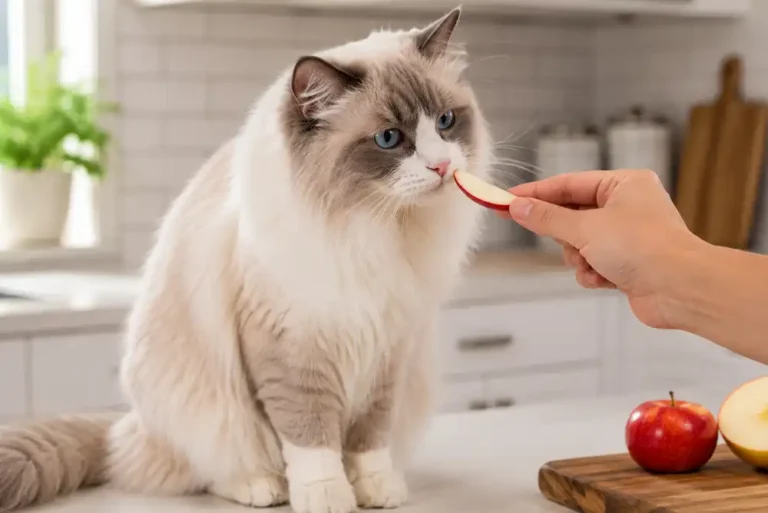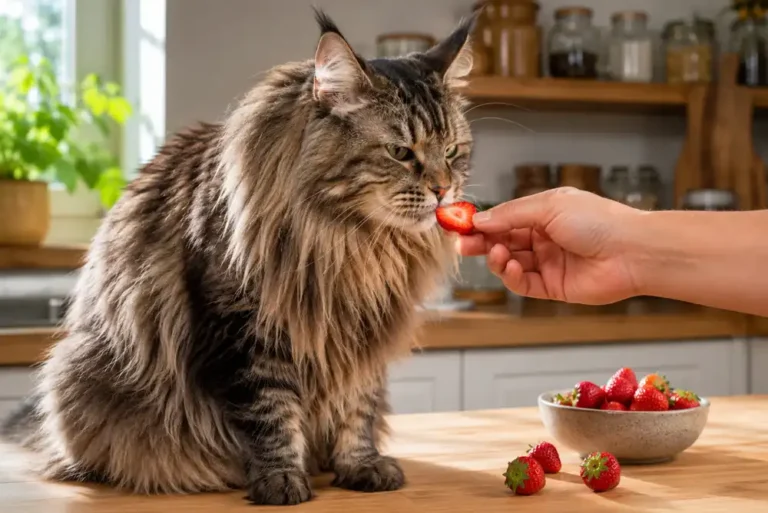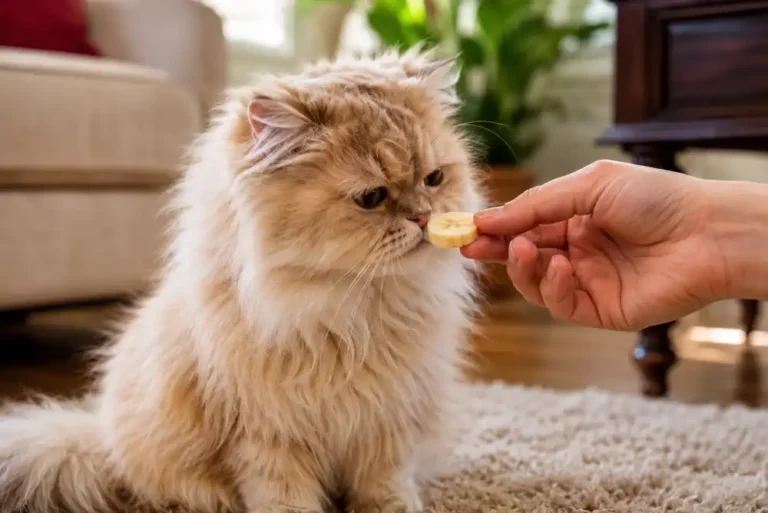
If you frequently find yourself asking can cats eat blueberries, the short answer is yes, but only in strict moderation! Blueberries are non-toxic to felines, meaning a single raw blueberry will not harm your cat.
However, unlike omnivorous animals, cats are obligate carnivores. Their biological digestive systems are optimized to process meat proteins rather than fruits and plant carbohydrates. While blueberries are widely recognized as a human superfood packed with antioxidants, felines lack specialized salivary enzymes to process high amounts of fruit sugar. In this ultimate guide, we will break down the health advantages, potential choking hazards, exact portion limits, and safe serving ideas so you can feed blueberries to your cat with absolute confidence.
My cat gets so excited whenever I wash fresh blueberries. On warm summer days, I sometimes give her one small mashed blueberry as a special treat.
Table of Contents
Are Blueberries Good for Cats? 5 Health Benefits
When pet owners research can cats eat blueberries, they discover that while fruit is not a staple requirement for carnivores, occasional microscopic bites can deliver useful health benefits:
1. Packed with Cell-Protecting Antioxidants
Blueberries are packed with natural antioxidants that may help protect your cat’s cells and support overall health as they get older.
2. Supports Feline Urinary Tract Health
Similar to cranberries, blueberries contain natural compounds that help prevent harmful bacteria from adhering to bladder walls, offering mild preventative support for feline urinary health.
3. Provides Vitamin C and Vitamin K
Blueberries contain vitamins C and K. Vitamin K helps with normal blood clotting, while vitamin C supports healthy cells and tissues.
4. Contains Dietary Fiber for Gentle Digestion
Small amounts of blueberry fiber can occasionally support smooth gastrointestinal motility, aiding in hairball management and promoting healthy bowel movements in adult cats.
5. High Water Content for Natural Hydration
Composed of roughly 84% water, offering tiny blueberry bites provides a refreshing burst of hydration, which is particularly beneficial for cats that consume minimal water from bowls.
The Hidden Dangers: When Can Blueberries Be Unsafe for Cats?
Even though fresh blueberry flesh is non-toxic, feeding improper portions or unprepared berries introduces clear health risks. When asking can cats eat blueberries, keep these critical safety rules in mind:
1. Whole Blueberries Pose Choking Hazards
Small, round fruits like whole blueberries can present a direct choking risk or cause intestinal blockages, especially in kittens or smaller cat breeds. Always mash or cut berries before serving.
According to veterinary health guidelines on VCA Animal Hospitals, foreign objects, large unchewed food pieces, and indigestible seeds swallowed by pets are leading causes of acute choking and gastrointestinal obstructions.
2. High Sugar Content Can Lead to Diabetes
Blueberries contain natural fructose. Because cats do not metabolize fruit carbohydrates efficiently, overfeeding can cause rapid weight gain, dental issues, and feline diabetes mellitus over time.
3. Gastrointestinal Distress from Overfeeding
Feeding too many blueberries at once can disrupt your cat’s delicate gut microbiome. Excessive fruit fiber and sugars can lead to painful abdominal bloating, vomiting, and watery diarrhea.
Blueberry Serving Size Guide by Cat Weight
To protect your cat from stomach distress, treats should never exceed 10% of their total daily caloric intake. Knowing can cats eat blueberries in tiny portions keeps their main carnivore diet balanced.
Use this reference table to determine safe daily limits for your cat:
| Cat Weight Category | Weight Range | Recommended Daily Portion (Washed & Mashed) |
| Kittens (Under 6 months) | Under 4 lbs | Not recommended (Delicate digestive system) |
| Small Cats (Munchkin, Singapura) | 5 – 8 lbs | 1 half of a mashed blueberry (Occasionally) |
| Medium Cats (Siamese, Persian) | 8 – 12 lbs | 1 to 2 mashed blueberries (Max per week) |
| Large Cats (Maine Coon, Ragdoll) | 12 – 18+ lbs | 2 to 3 mashed blueberries (Max per week) |
Always introduce any new human food slowly to watch for feline food allergies or gastrointestinal sensitivity.
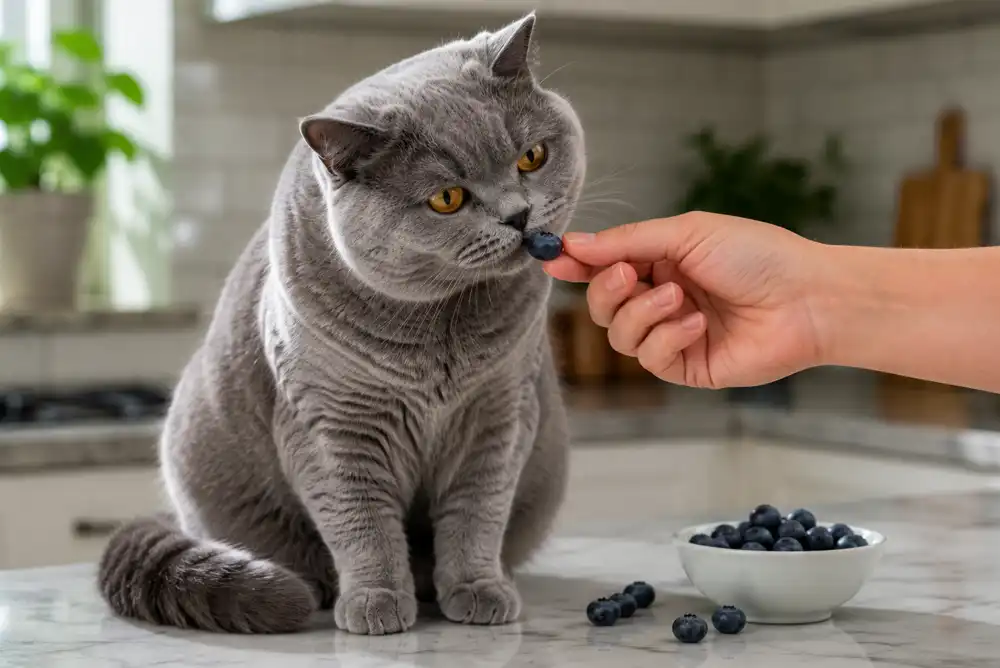
How to Safely Feed Blueberries to Your Cat
Now that you know can cats eat blueberries, here are four fun and creative ways to serve them to your feline friend:
- Mashed Fresh Berries: Wash thoroughly to remove pesticides, cut a blueberry in half, and gently flatten it with a fork to prevent choking.
- Wet Food Topper: Mix a single mashed blueberry into your cat’s canned meat food as a nutrient-dense, hydrating meal topper.
- Frozen Puree Cubes: Blend fresh blueberries with a splash of plain water or bone broth, pour into silicone molds, and freeze into cooling treats.
- Interactive Lick Mat Mash: Blend a single blueberry with plain, xylitol-free Greek yogurt and spread a small dab across a silicone lick mat.
Related Guide: Can Cats Eat Cucumbers? 5 Amazing Safe Benefits & Serving Guide
When Should You Avoid Giving Blueberries to Your Cat?
While blueberries are non-toxic for most felines, certain medical conditions require caution:
- Diabetic Cats: Natural fruit sugars can cause sudden blood glucose spikes. Check with your vet about can cats eat blueberries if your cat has diabetes.
- Cats Prone to Sensitive Stomachs: High fiber and sugar content can trigger soft stools or watery diarrhea in cats with irritable bowel issues.
- Overweight Cats: Extra calories from fruit carbohydrates hinder feline weight loss goals.
For comprehensive veterinary nutrition guidelines and detailed safety charts, explore the advice available at PetMD Veterinary Guidance. You can also read our internal guide on [our cat care and nutrition tips] to design a well-balanced carnivore diet.
Related Guide: Can Dogs Eat Mango? 5 Amazing Safe Benefits & Serving Guide
Frequently Asked Questions (FAQs)
Can kittens eat blueberries?
It is best to avoid giving blueberries to young kittens. Kitten digestive systems are very delicate and require precise nutrients from mother’s milk or formulated kitten food.
Can cats eat blueberry muffin mix or blueberry jam?
Never feed blueberry muffins, jams, or baked goods to cats. These processed products contain high levels of refined sugar, chemical preservatives, fats, and potentially deadly artificial sweeteners like Xylitol.
Why do some cats ignore blueberries?
Cats lack sweet taste receptors on their tongues! Additionally, blueberries do not smell like animal protein, so many cats simply have zero interest in eating fruit.
What happens if a cat swallows a blueberry whole?
If your cat swallows a blueberry whole, monitor them for signs of choking or intestinal distress, including gagging, repeated vomiting, loss of appetite, lethargy, or abdominal pain, and contact your vet immediately.
Quick Kitchen & Safety Checklist
- Always wash berries thoroughly to remove residual farm pesticides and dirt.
- Mash or cut blueberries into tiny pieces to prevent choking hazards.
- Fresh treats are the best method when asking can cats eat blueberries at home.
- Small bites help answer can cats eat blueberries safely for adult felines.
- Check with your vet about can cats eat blueberries if your cat suffers from feline diabetes.
- Knowing can cats eat blueberries occasionally helps keep treat calories carefully controlled.
- Avoid any processed foods containing artificial sweeteners like Xylitol, which is highly toxic to pets.
Conclusion: Should You Feed Blueberries to Your Cat?
In summary, when asking can cats eat blueberries, the answer is yes, but only as an occasional, microscopic treat! While blueberries offer antioxidants, hydration, and vitamins, your cat’s primary nutrition must always come from high-quality animal protein.
By washing berries thoroughly, mashing them flat, and keeping portions tiny, you can safely indulge your cat’s curiosity without disrupting their gut health. Understanding can cats eat blueberries ensures your feline friend stays healthy, safe, and happy!
Related Guide: Can Dogs Eat Pineapple? 5 Amazing Safe Benefits & Serving Guide