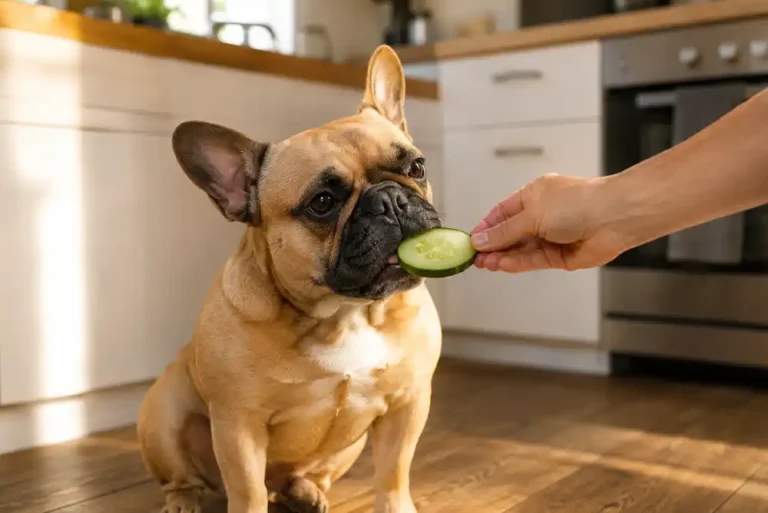


Every morning, I open the honey jar and my dog, Bruno, appears out of nowhere. Doesn’t matter where he was. Asleep on the couch, in the yard, halfway through a nap. That lid pops and he’s at my feet, staring at the spoon like it owes him money.
So I get the question a lot: is honey for dogs actually okay?
For most healthy adult dogs, yes. A small amount of plain, pure honey won’t hurt, and it does come with a few perks, like natural antioxidants and a little soothing power for an irritated throat. Lots of owners also use a dab to hide a pill.
But honey is sugar. Period. A lick or a teaspoon is one thing. A daily habit is another, and it can lead to an upset stomach, extra weight, and bad teeth. Puppies, diabetic dogs, overweight dogs, and dogs with weak immune systems are a different story, and for them I’d check with your vet first.
Below, I’ll cover how much honey for dogs is safe for your dog’s size, what can go wrong, and when it’s better to just skip it.
Table of Contents
1. Is Honey Safe for Dogs? The Direct Answer
Honey is safe for most adult dogs when given in moderate quantities. Pure raw honey acts as a natural sweet treat while offering valuable trace nutrients. According to clinical studies published by the American Kennel Club, raw unpasteurized honey contains pollen traces, enzymes, and mineral content that support immune wellness.
However, honey is rich in natural sugars like fructose and glucose. Giving too much honey can cause weight gain or digestive distress. You must treat honey as a special topper rather than a major dietary component.
2. Top Health Benefits of Honey for Dogs
When used correctly, honey offers several natural health advantages for your canine companion:
Soothing Environmental Allergies
Raw honey contains micro doses of local plant pollen. When dogs consume local raw honey regularly, their bodies gradually build tolerance to seasonal environmental allergens. This can reduce itching during spring months.
Calming Kennel Cough and Sore Throats
Honey creates a protective coating inside the throat. If your dog suffers from a mild cough or minor throat irritation, a small lick of honey helps soothe raw tissue and reduce coughing fits.
Boosting Energy Levels
The natural simple sugars in honey offer a quick energy boost. This proves useful for active working dogs or senior pets needing a gentle pickup after physical play.
Supporting Digestive Health
Unprocessed honey contains natural prebiotics. These active components support healthy gut bacteria, helping your dog absorb nutrients from regular meals effectively.
Related Guide: Can Dogs Eat Cucumbers? 5 Amazing Safe Benefits & Serving Guide
3. Comparing Honey Types: Raw vs Commercial Honey
Not all honey products on grocery shelves offer equal nutritional value for pets:
| Honey Type | Processing Level | Nutrient Retention | Pet Recommendation |
| Raw Local Honey | Unfiltered & Unheated | High (Preserves pollen & enzymes) | Best Choice |
| Manuka Honey | Specialized Medical Grade | Very High (Antibacterial properties) | Great for Topical/Oral Use |
| Commercial Honey | Pasteurized & Filtered | Low (Heat strips key enzymes) | Not Recommended |
| Flavored Syrups | Processed with Additives | Zero (High risk of artificial sweeteners) | Avoid Completely |
Research from veterinary research teams at VCA Animal Hospitals highlights that pasteurized honey loses beneficial enzymes during heat processing. Always choose raw organic honey for maximum natural benefits.
Last spring, my Golden Retriever started sneezing again and again every time we got home from our morning walks in the park. His eyes were watery pretty much all day. The tree pollen count was high that season, and he was clearly feeling it.
I assumed we’d be heading straight to medication. Instead, our local vet suggested something simpler: half a teaspoon of raw, unfiltered local honey every morning.
I’ll be honest, I was skeptical. But I added it to his morning bowl and kept an eye on him.
About ten days later, I noticed a real change. The sneezing fits dropped noticeably, and he quit rubbing his snout against the couch. For us, it ended up being a game-changer for our daily routine, and it was a relief to see him feeling like himself again.
Every dog is different, and I can’t promise it’ll work for yours. If your dog has allergy symptoms, talk to your vet before trying honey.
4. How to Serve Honey to Dogs Safely
To serve honey safely, follow these weight based portion limits:
- Small Dogs (Under 10 lbs): 1/4 teaspoon per day maximum.
- Medium Dogs (10 to 35 lbs): 1/2 teaspoon per day maximum.
- Large Dogs (35 to 80 lbs): 1 teaspoon per day maximum.
- Extra Large Dogs (Over 80 lbs): 1 to 1.5 teaspoons per day maximum.
Start with half the recommended dose during the first week to make sure your pet tolerates honey without digestive issues.

5. Risks and Safety Warnings
While honey offers many advantages, certain dogs should never consume it:
Puppies Under 1 Year
Never feed honey to young puppies. Raw honey can contain microscopic botulism spores. Adult dog digestive systems easily eliminate these spores, but young puppy stomachs lack the gut flora needed to fight off botulism bacteria.
Diabetic Dogs
Honey contains concentrated natural sugars. Eating honey triggers swift blood glucose spikes. If your pet has canine diabetes, avoid giving honey entirely.
Obese Dogs
Because honey contains high calorie counts per teaspoon, feeding it regularly to overweight pets can interfere with weight management goals.
Related Guide: Can Dogs Eat Blueberries? 5 Amazing Safe Benefits & Serving Guide
Printable Dog Honey Safety & Feeding Checklist
Keep this quick reference guide handy before adding honey to your dog’s daily bowl:
- [ ] Verify Age: Is your dog at least 1 year old? (Never feed to puppies).
- [ ] Check Health Status: Is your dog free from diabetes and obesity?
- [ ] Source Raw Honey: Is the honey raw, unpasteurized, and free from added sugars?
- [ ] Check Sweeteners: Is the honey 100% pure without toxic artificial sweeteners like Xylitol?
- [ ] Measure Exact Dose: Are you using a measuring spoon rather than guessing portions?
- [ ] Monitor After Feeding: Did you observe your dog for any signs of loose stool or stomach upset over 24 hours?
Frequently Asked Questions
Can dogs eat raw honey every day?
Yes, adult healthy dogs can eat a small measured dose of raw honey daily. However, keep the portion within the weight guidelines to avoid unwanted weight gain.
What happens if a dog eats too much honey?
If a dog consumes a large amount of honey, they may experience stomach pain, vomiting, diarrhea, or temporary high energy followed by a sugar crash. Offer plenty of fresh water and contact your vet if symptoms continue.
Is Manuka honey safe for dogs?
Yes, Manuka honey is safe and highly beneficial for dogs. It contains potent natural antibacterial qualities that support both oral throat health and minor topical skin care under vet guidance.
Conclusion
Honey for dogs can serve as a natural, healthy, and delicious treat when offered with proper control. Raw honey supports immune health, soothes coughing, and aids seasonal allergy management.
Always select raw unpasteurized honey, measure doses carefully based on your dog’s weight, and keep honey away from puppies or diabetic pets. By following these simple safety steps, you can safely enrich your pet’s routine with pure nature.
Related Guide: Can Dogs Eat Strawberries? 5 Amazing Safe Benefits & Serving Guide