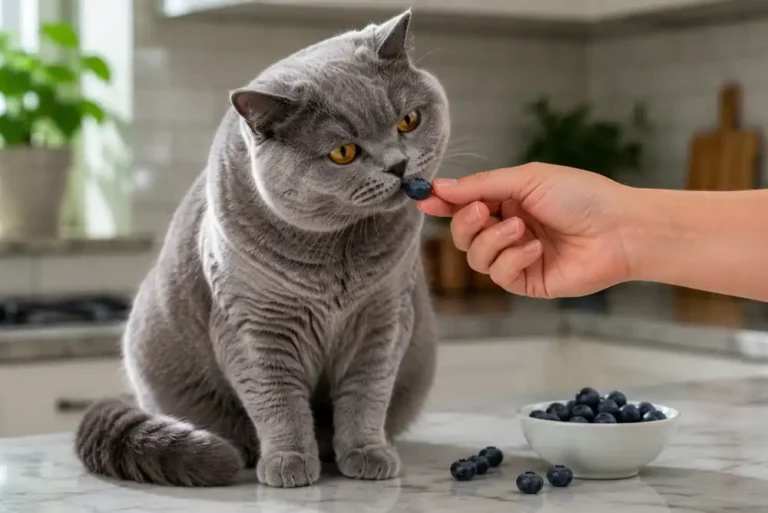
If you frequently find yourself asking can cats eat apples, the short answer is yes, but only in strict moderation and with proper preparation! Fresh apple flesh is non-toxic to felines, meaning a tiny slice of raw apple will not harm your cat.
However, unlike omnivorous animals, cats are obligate carnivores. Their biological digestive systems are optimized to process meat proteins rather than fruits and plant carbohydrates. While apples deliver vitamins, fiber, and hydration, cats lack specialized salivary enzymes to process high amounts of fruit sugar. Furthermore, apple seeds and stems contain toxic cyanogenic compounds that pose serious health hazards. In this ultimate guide, we will break down the health advantages, seed dangers, exact portion limits, and safe serving ideas so you can feed apples to your cat with absolute confidence.
My cat gets excited whenever I cut a fresh apple. I sometimes give her a tiny, thin piece without the peel as a crunchy little treat.
Are Apples Good for Cats? 5 Health Benefits
When pet owners research can cats eat apples, they discover that while fruit is not a staple requirement for carnivores, occasional microscopic bites can deliver useful health benefits:
1. Provides Essential Dietary Fiber
Apples contain fiber called pectin. A small piece of apple may help support your cat’s digestion and keep their bowel movements regular.
2. Rich Source of Immune-Boosting Vitamin C
Although cats synthesize Vitamin C naturally in their livers, the natural Vitamin C in apple flesh offers mild cellular antioxidant protection against environmental stress.
3. Contains Vitamin A for Skin and Vision Support
Apples supply Vitamin A, an essential fat-soluble vitamin that supports feline night vision, maintains epithelial skin health, and keeps your cat’s coat looking smooth and glossy.
4. Offers Hydration and Natural Energy
Composed of roughly 86% water, offering tiny apple bites provides a refreshing crunch and a quick boost of hydration for felines during warm days.
5. Low in Sodium and Fat
Apples contain zero saturated fat and negligible sodium, making them a safe low-fat snack alternative compared to rich, calorie-dense commercial meat treats.
Related Guide: Can Cats Eat Blueberries? 5 Amazing Safe Benefits & Serving Guide
The Hidden Dangers: When Can Apples Be Unsafe for Cats?
Even though fresh apple flesh is non-toxic, feeding the wrong parts introduces severe health risks. When asking can cats eat apples, keep these critical safety rules in mind:
1. Apple Seeds Contain Cyanide Toxins
Can cats eat apple seeds? No. Apple seeds contain amygdalin, a compound that releases dangerous cyanide when chewed or digested. Ingesting seeds can lead to toxic poisoning, oxygen deprivation, and severe medical emergencies in cats.
According to veterinary health guidelines on VCA Animal Hospitals, toxic plant seeds, heavy peels, and indigestible foreign objects swallowed by pets are leading causes of acute poisoning and intestinal obstructions.
2. Apple Peels, Stems, and Leaves Are Hard to Digest
Apple peels are tough, fibrous, and often coated in agricultural pesticides or waxes. Swallowing apple stems, leaves, or thick peels can cause choking or lodge firmly in your cat’s narrow esophagus or digestive tract.
3. High Sugar Content Can Lead to Diabetes
Apples contain natural sugars (fructose). Because cats do not process carbohydrates efficiently, overfeeding can cause rapid weight gain, dental decay, and feline diabetes over time.
Apple Serving Size Guide by Cat Weight
To protect your cat from stomach distress, treats should never exceed 10% of their total daily caloric intake. Knowing can cats eat apples in tiny portions keeps their main carnivore diet balanced.
Use this reference table to determine safe daily limits for your cat:
| Cat Weight Category | Weight Range | Recommended Daily Portion (Peeled & Seedless) |
| Kittens (Under 6 months) | Under 4 lbs | Not recommended (Delicate digestive system) |
| Small Cats (Munchkin, Singapura) | 5 – 8 lbs | 1 tiny bite-sized quarter-inch cube (Occasionally) |
| Medium Cats (Siamese, Persian) | 8 – 12 lbs | 1 to 2 paper-thin quarter-inch slices (Max per week) |
| Large Cats (Maine Coon, Ragdoll) | 12 – 18+ lbs | 2 paper-thin quarter-inch slices (Max per week) |
Always introduce any new human food slowly to watch for feline food allergies or gastrointestinal sensitivity.

How to Safely Feed Apples to Your Cat
Now that you know can cats eat apples, here are four fun and creative ways to serve them to your feline friend:
- Paper-Thin Fresh Slices: Remove 100% of the skin, core, and seeds. Cut a tiny, paper-thin slice for your cat to sniff and taste.
- Steamed Puree Topper: Steam a small piece of peeled, core-free apple until soft, mash it with a fork, and mix a tiny dab into canned meat food.
- Mashed Wet Food Mix: Blend peeled, seedless apple cubes with a splash of water, pour into silicone molds, and freeze into refreshing cooling treats.
- Dehydrated Crunchy Bites: Bake ultra-thin, unseasoned, skinless apple slices at low oven heat to create a firm, crunchy reward.
Related Guide: Can Cats Eat Cucumbers? 5 Amazing Safe Benefits & Serving Guide
When Should You Avoid Giving Apples to Your Cat?
While apple flesh is non-toxic for most felines, certain medical conditions require caution:
- Diabetic Cats: Natural fruit sugars can cause sudden blood glucose spikes. Check with your vet about can cats eat apples if your cat has diabetes.
- Cats Prone to Sensitive Stomachs: High fiber and sugar content can trigger soft stools or watery diarrhea in cats with irritable bowel issues.
- Overweight Cats: Extra calories from fruit carbohydrates hinder feline weight loss goals.
For comprehensive veterinary nutrition guidelines and detailed safety charts, explore the advice available at PetMD Veterinary Guidance. You can also read our internal guide on [our cat care and nutrition tips] to design a well-balanced carnivore diet.
Frequently Asked Questions (FAQs)
Can kittens eat apples?
It is best to avoid giving apples to young kittens. Kitten digestive systems are very delicate and require precise nutrients from mother’s milk or formulated kitten food.
Can cats eat applesauce?
Never feed commercial applesauce to cats. Store-bought applesauce contains excessive added sugars, chemical preservatives, citric acid, and potentially toxic artificial sweeteners like Xylitol.
Why do some cats ignore apples?
Cats lack sweet taste receptors on their tongues! Additionally, apples do not smell like animal protein, so many cats simply have zero interest in eating fruit.
What happens if a cat eats an apple seed?
If your cat swallows apple seeds, monitor them closely for signs of cyanide toxicity or blockage, including dilated pupils, severe vomiting, rapid breathing, panting, lethargy, or red gums, and contact your vet immediately.
Quick Kitchen & Safety Checklist
- Always remove 100% of the core, seeds, stem, and peel before serving.
- Cut apples into paper-thin, bite-sized pieces to prevent choking hazards.
- Fresh treats are the best method when asking can cats eat apples at home.
- Small bites help answer can cats eat apples safely for adult felines.
- Check with your vet about can cats eat apples if your cat suffers from feline diabetes.
- Knowing can cats eat apples occasionally helps keep treat calories carefully controlled.
- Avoid any processed foods containing artificial sweeteners like Xylitol, which is highly toxic to pets.
Conclusion: Should You Feed Apples to Your Cat?
In summary, when asking can cats eat apples, the answer is yes, but only as an occasional, microscopic treat! While apples offer fiber, hydration, and vitamins, your cat’s primary nutrition must always come from high-quality animal protein.
By discarding all toxic seeds, removing the skin, and serving paper-thin slices, you can safely indulge your cat’s curiosity without disrupting their gut health. Understanding can cats eat apples ensures your feline friend stays healthy, safe, and happy!
Related Guide: Can Dogs Eat Mango? 5 Amazing Safe Benefits & Serving Guide